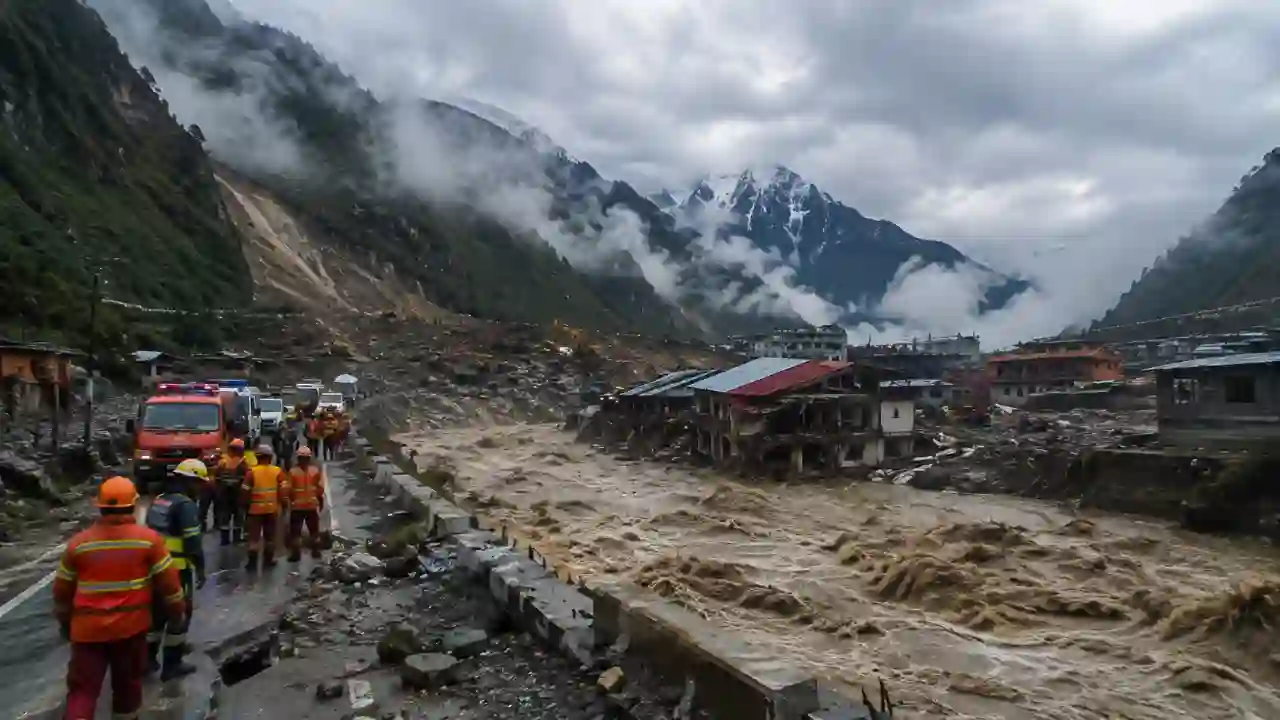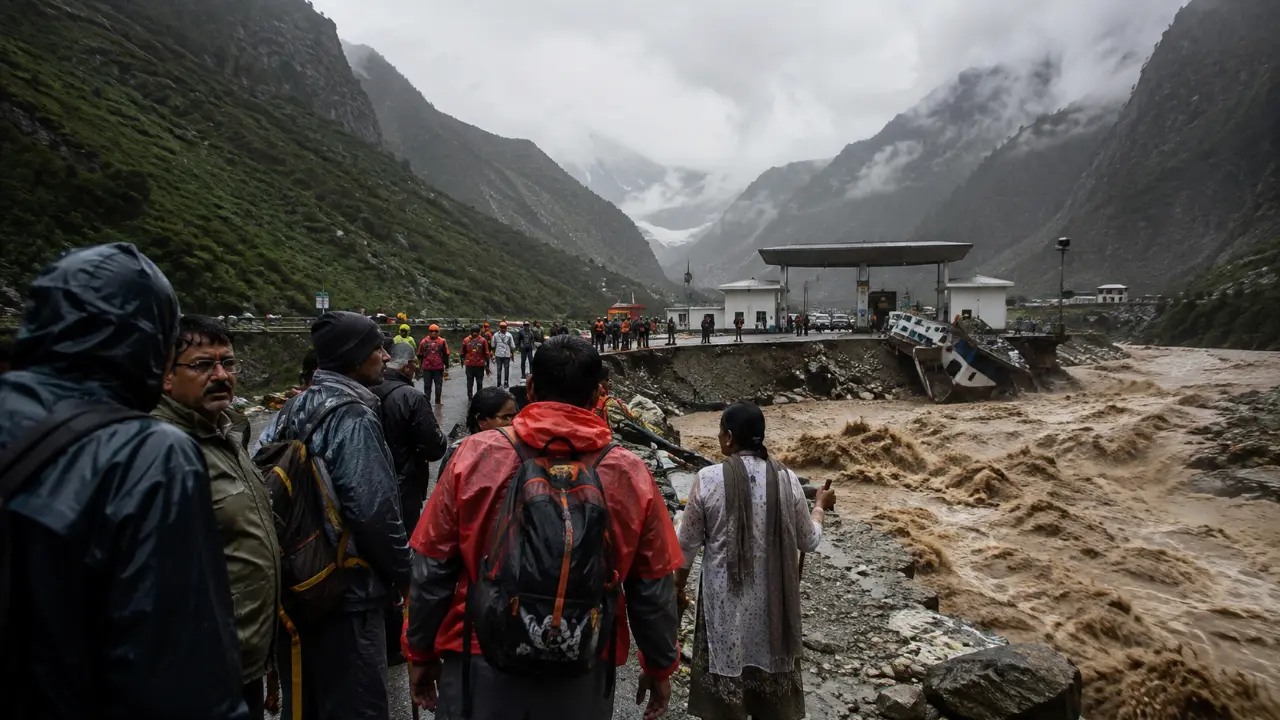
Nepal: A sudden and severe flood near the Tibet-China border in Nepal has created difficulties for pilgrims travelling on the Kailash Mansarovar pilgrimage. An immigration centre is reportedly believed to have been swept away by the flood. At the time, 77 pilgrims associated with the Isha Foundation and three volunteers were reportedly present there.
Spiritual leader Sadhguru expressed deep concern over the incident and said he was personally in the area. He added that he was working with local authorities to assist with relief and rescue efforts. However, there is still no official information about the condition of the people who were at the immigration centre.
Search Continues for 77 Pilgrims and Three Volunteers
According to Sadhguru, 495 people from 21 groups involved in his pilgrimage have safely returned. A large number of pilgrims, however, are still in Tibet and Nepal. He said no official information had yet been received about the 77 pilgrims and three volunteers who were at the immigration centre. Efforts are underway to locate them and determine their condition.
Sadhguru said the sudden flooding in the Gyirong area affected the immigration office as well as large parts of the town. He expressed his condolences to the affected pilgrims and their families and said every possible effort was being made to support the rescue operation.
Flood Damages Roads and Infrastructure in Rasuwa and Dhading
The incident occurred early Wednesday near the Nepal-China border, affecting the Rasuwa and Dhading districts. The flooding reportedly damaged roads and other essential infrastructure in the area. According to reports, around 400 pilgrims travelling to Kailash Mansarovar could not be contacted at the Rasuwagadhi checkpoint. More than 100 of them are reportedly Indian pilgrims.
Local authorities and rescue teams are working in the affected areas to locate people who may have been stranded by the flooding. The disaster has also disrupted movement and communication in the border region. With roads and other infrastructure damaged, reaching remote areas has become a major challenge for rescue teams.